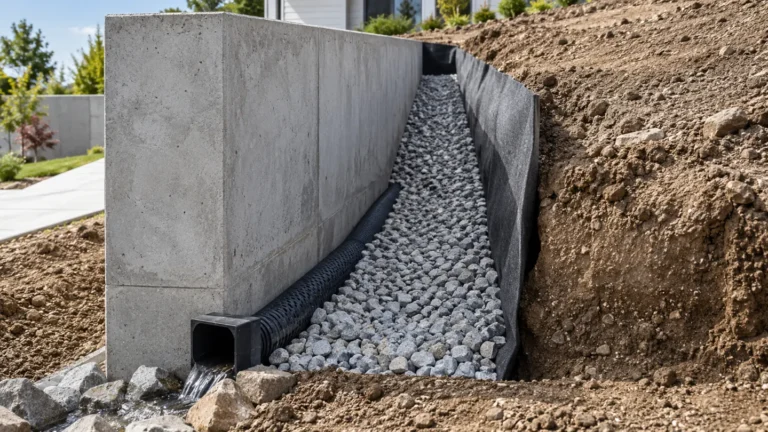
Retaining Wall Drainage: 9 Essential Checks for Better Walls
Retaining wall drainage must manage water as part of the wall and site design. A pipe behind the wall is only one…
Read MoreRetaining wall drainage must manage water as part of the wall and site design. A pipe behind the wall is only one…
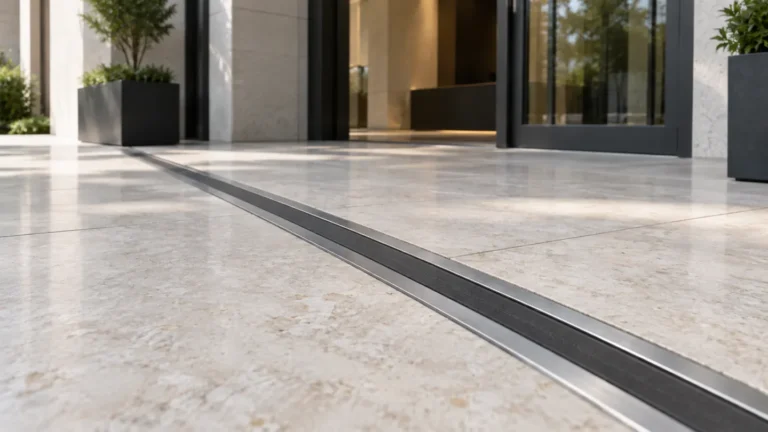
Read MoreExpansion joints in buildings provide a designed separation that allows adjoining parts to move without forcing that movement into rigid connections. Their…
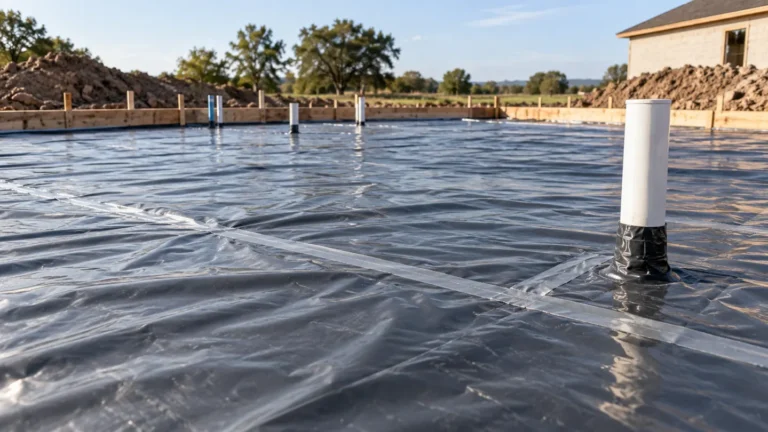
Read MoreVapor barrier under concrete slab design limits the movement of ground moisture vapor into the slab and the occupied space above it.…
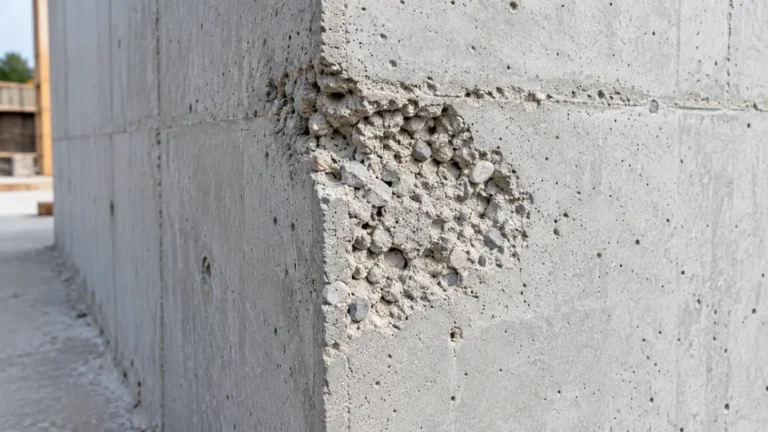
Read MoreConcrete honeycombing is a defect in which voids and exposed aggregate interrupt the intended concrete matrix. It needs an assessment of its…
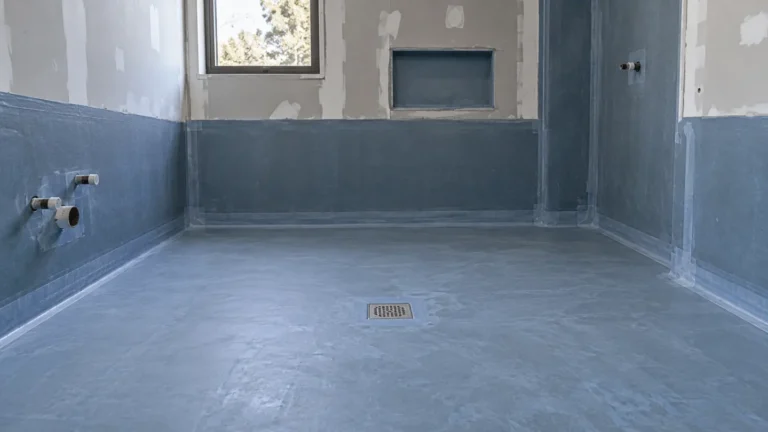
Read MoreBathroom waterproofing creates a continuous water-resistant layer behind or beneath bathroom finishes, connected to drains and protected at joints, corners, and penetrations.…
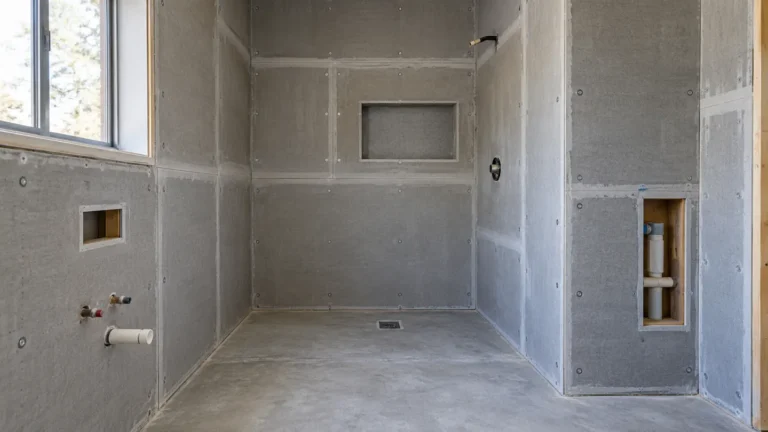
Read MoreCement board is a manufactured panel used in specified construction assemblies, often as a backing for finishes such as tile. It should…
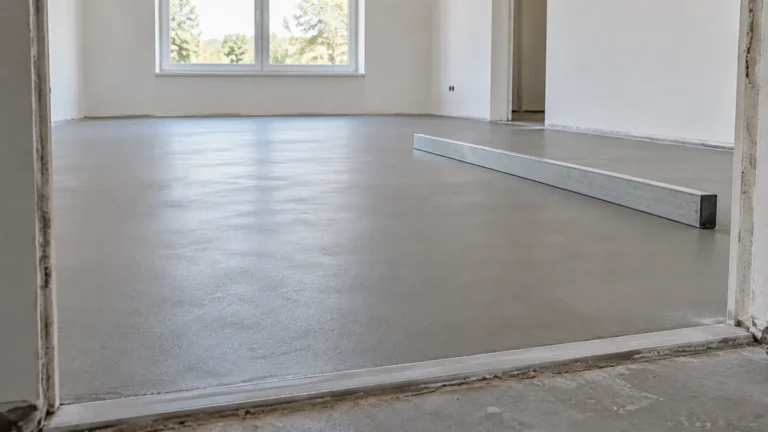
Read MoreSelf leveling concrete is a flowable, usually cement-based material used to smooth or correct a suitable floor substrate. It is not automatically…
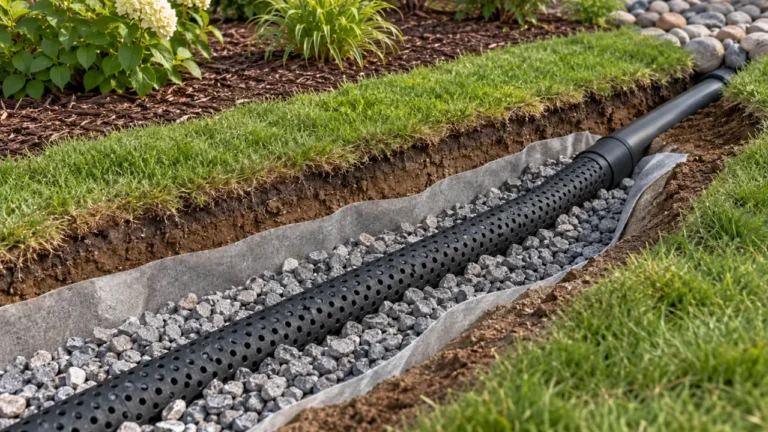
Read MoreA French drain is a subsurface collection system that gathers water from surrounding ground and directs it toward a designed discharge route.…
Read MoreConstruction quality control explained: QA/QC planning, inspections, testing, records and practical steps that prevent defects and costly rework.
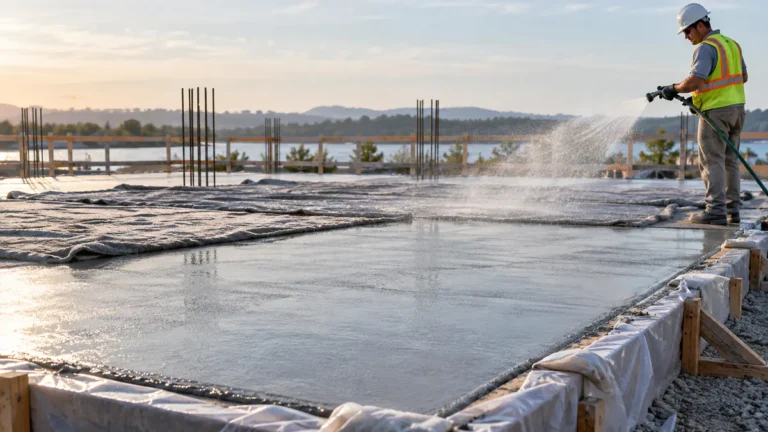
Read MoreConcrete curing methods maintain suitable moisture and temperature conditions so cement hydration can continue and the concrete can develop its intended properties.…
Read More