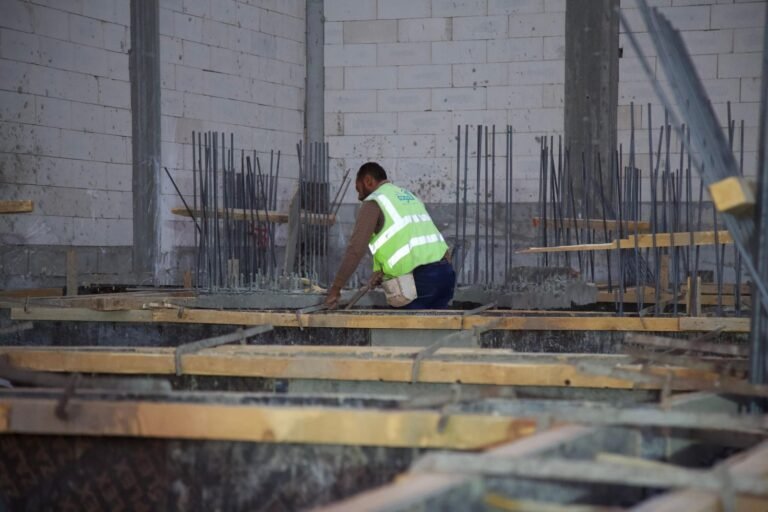

Value engineering in construction is a structured process for improving the relationship between function, performance, cost and risk. It asks what the project must achieve, then compares alternative ways to deliver that outcome over the building’s full life. Done correctly, value engineering protects essential quality while removing unnecessary cost, complexity and waste.
This is not a last-minute exercise in choosing cheaper products. Cutting cost without understanding function can increase maintenance, shorten service life and create expensive changes on site. A professional value engineering process uses design information, cost data, technical expertise and clear decision criteria to reach better project outcomes.
What Is Value Engineering in Construction?
Value engineering in construction evaluates each important element according to the function it provides and the resources required to provide it. The objective is not simply the lowest initial price. The objective is the best combination of performance, reliability, buildability, operating cost, maintenance and schedule for the owner’s priorities.
A proposal has value only when it preserves or improves required functions. For example, replacing a façade material may reduce capital cost, but the change is poor value if it increases heat gain, maintenance or water-entry risk. Conversely, simplifying a structural grid may reduce formwork, reinforcement, coordination and program duration without reducing usable space. That is genuine value improvement.
Value Engineering Versus Cost Cutting
Cost cutting usually starts with a price target and removes scope or selects lower-cost products. Value engineering starts with a function and studies different ways to achieve it. A value proposal should describe technical performance, initial cost, life-cycle cost, design impact, construction impact, risk and implementation requirements.
The distinction matters because savings can migrate rather than disappear. A cheaper system may require more labor, longer procurement, stronger supporting structure or frequent replacement. Value engineering in construction exposes those secondary effects before a decision is approved.
When Should Value Engineering Begin?
The best time is during concept and schematic design, when major decisions remain flexible. Building orientation, massing, structural system, floor-to-floor height, service strategy and façade ratio have greater cost and performance influence than late product substitutions. Early analysis allows the team to compare options without redesigning completed documents.
Value engineering in construction can continue at design development, tender and preconstruction, but the focus changes. During design, teams optimize systems and scope. During tender, they evaluate contractor alternatives and market conditions. During construction, proposals must account for procurement commitments, approvals, rework and schedule disruption. The later the change, the stronger the evidence required.
Information Needed for a Productive Study
A useful workshop needs a clear brief, current drawings, outline specifications, cost plan, project schedule and known constraints. The team should understand required capacities, performance targets, aesthetic priorities, authority requirements and operational needs. Without this information, discussions become personal preferences rather than disciplined evaluation.
Cost data should be organized by systems and work packages, not only as a single total. A reliable building cost estimate helps identify the elements with the greatest improvement potential. The team should also review risk allowances, long-lead items and assumptions that may be driving unnecessary expense.
9 Proven Value Engineering Strategies
1. Define Essential Functions
In value engineering in construction, write each major function using an active verb and measurable noun, such as “support loads,” “control heat,” “prevent water” or “provide access.” This method separates the required outcome from the current design solution. Once the function is clear, the team can generate alternatives without losing sight of what must be protected.
2. Compare Whole-Life Cost
Evaluate purchase, installation, energy, maintenance, repair, replacement and disposal. A higher-quality membrane, coating or piece of equipment may cost more initially but provide better value across its service life. Assumptions about service life, maintenance frequency and energy prices should be stated so the comparison can be reviewed.
3. Simplify Geometry and Interfaces
Complex forms, frequent changes in level and numerous material transitions often increase labor, temporary works and failure risk. Simplifying details can improve construction speed and quality while preserving architectural character. Interfaces deserve special attention because they carry coordination responsibility between trades.
4. Standardize Repeated Elements
Consistent dimensions for doors, windows, rooms, panels and service zones can reduce design time, waste, procurement complexity and installation errors. Standardization does not require a repetitive appearance; variation can be created through finishes, color and composition while core components remain efficient.
5. Optimize the Structural Grid
Column spacing, slab type, spans and transfer elements influence quantities, formwork cycles and service coordination. The engineering team should test options against loading, vibration, headroom and future flexibility. A simpler load path often delivers savings while improving reliability and buildability.
6. Coordinate Building Services Early
Mechanical, electrical and plumbing systems compete for ceiling and shaft space. Value engineering in construction uses early coordination to reduce ceiling depths, avoid structural openings and prevent expensive site changes. Plant capacities should match realistic loads, with sensible allowance for diversity and future needs instead of uncontrolled oversizing.
7. Select Materials by Performance
Specifications should describe required fire, acoustic, thermal, durability and appearance criteria. This allows the team to compare compliant products on a fair basis. The selection should also consider local availability, installation skill, replacement access and compatibility with adjacent materials. Reviewing building insulation materials by application is a good example of performance-led selection.
8. Improve Constructability and Sequence
Value engineering in construction may reveal that a design is technically sound but difficult to build safely or efficiently. Contractor input can identify access restrictions, crane demands, temporary works, trade congestion and unrealistic tolerances. Prefabrication, modular coordination or a revised sequence may reduce time and defects when the project conditions support them.
9. Align Procurement With Market Reality
Value engineering in construction must recognize that long-lead or single-source products create schedule and commercial risk. The team should test equivalent sources, packaging strategy, approval duration, transportation and storage. A well-considered procurement alternative can preserve design intent while increasing competition and reducing exposure to supply disruption.
The Value Engineering Workshop Process
A value engineering in construction workshop begins with an information phase. Designers explain the brief, constraints and current solution, while the cost team identifies major cost drivers. The group then analyzes functions and generates ideas without rejecting them too early. A broad list encourages combinations and better alternatives.
Next, the team evaluates ideas against agreed criteria. Typical criteria include function, compliance, capital cost, operating cost, program, quality, safety, sustainability and risk. Shortlisted proposals are developed with sketches, calculations, pricing and implementation steps. Decision-makers then approve, reject or request further study.
Every approved proposal should have an owner, due date and document-change route. Savings are not real until drawings, specifications, quantities and contracts reflect the decision. Value engineering in construction therefore continues through implementation and verification, not merely a workshop presentation.
How to Protect Quality During Value Engineering
Establish non-negotiable requirements before discussing alternatives. These may include structural safety, fire performance, waterproofing, accessibility, acoustic privacy, energy targets, design life and brand standards. Proposals that cannot demonstrate compliance should not advance.
Use mock-ups, samples, calculations and manufacturer data where appearance or performance is uncertain. Interfaces must be reviewed as a complete system. When an element changes, check the effect on structure, services, waterproofing, finishes, approvals and warranties. The core and shell scope is especially sensitive because one change can affect several downstream packages.
Practical Examples of Better Value
A team may rationalize façade panel sizes to reduce cutting and support brackets while maintaining the elevation concept. It may replace several ceiling types with a coordinated family that improves access and reduces waste. It may adjust equipment location to shorten distribution routes and release usable space.
Another common opportunity is to review whether premium finishes are concentrated where users experience them most. Durable, maintainable materials can be prioritized in entrances and high-traffic areas, while simpler compliant finishes serve back-of-house zones. The decision remains design-led, not arbitrary.
Common Value Engineering Mistakes
- Starting after procurement commitments have already been made.
- Measuring only initial price and ignoring operating or replacement cost.
- Accepting a substitution without checking interfaces and warranties.
- Allowing aesthetics, safety or performance to become undefined.
- Counting theoretical savings before documentation is revised.
- Using unsupported unit rates or unrealistic installation assumptions.
- Failing to consult the people who will operate and maintain the building.
What a Complete Proposal Should Contain
A strong proposal states the existing solution, required function, recommended alternative, reason for change, capital cost difference, life-cycle effect, schedule effect and technical risks. It includes drawings or marked-up details and identifies required approvals. Any exclusions or uncertain assumptions should be visible.
Decision logs should remain part of the project record. They explain why an option was selected and prevent rejected ideas from returning without new evidence. Public-sector frameworks such as the U.S. General Services Administration value engineering guidance also emphasize structured analysis and documented recommendations.
How Aloda Supports Better Project Value
Good value depends on coordinated design knowledge, construction experience and realistic cost information. Aloda Construction Company evaluates materials, sequencing, procurement and buildability together so that recommendations are practical on site. The aim is to protect the client’s functional priorities while improving cost certainty and execution efficiency.
Frequently Asked Questions
Does value engineering always reduce cost?
No. It may justify a higher initial investment when the option improves service life, operating efficiency, safety or risk. The objective is better value, not automatically a lower tender price.
Who participates in a value engineering workshop?
The group normally includes the client, architect, engineers, cost consultant, contractor or construction adviser, specialist suppliers and facility-management representatives when available.
Can value engineering change the design concept?
It can, but changes should respect the approved brief and design priorities. Significant architectural changes require explicit client and designer approval supported by performance and cost evidence.
How are savings verified?
Savings should be calculated against the same scope and pricing basis, including secondary impacts, fees, risk and schedule. They are confirmed only after the approved change is incorporated into project documents.
Is value engineering useful for small projects?
Yes. A shorter review focused on the main cost and risk drivers can improve smaller projects. The process should be proportionate rather than omitted.
Conclusion
Value engineering in construction is most powerful when it begins early, defines functions clearly and compares options across the building’s full life. A disciplined team can simplify systems, coordinate interfaces, improve procurement and protect performance at the same time. The result is not a cheaper version of the project, but a more intelligent way to deliver what the owner actually needs.